Flowers Leaves Hand Drawn Plants Review
As someone who has spent years turning digital graphics into tangible stitched pieces, I know that the difference between a good embroidery project and a great one often lies in the source material. You can have the best machine and the most expensive threads, but if your design assets don't translate well to fabric, the final result will fall flat. Recently, I put the Flowers Leaves Hand Drawn Plants bundle to the test to see how it performs in real-world scenarios for small business owners, Etsy sellers, and hobbyists alike.
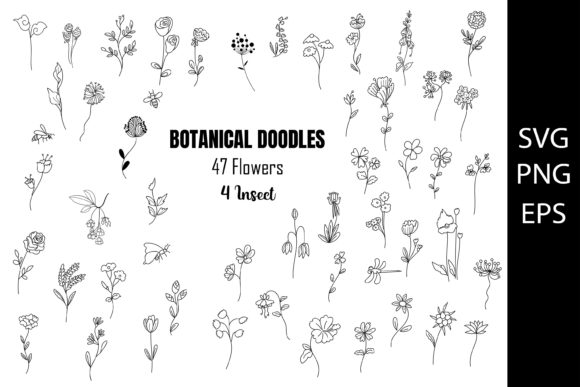
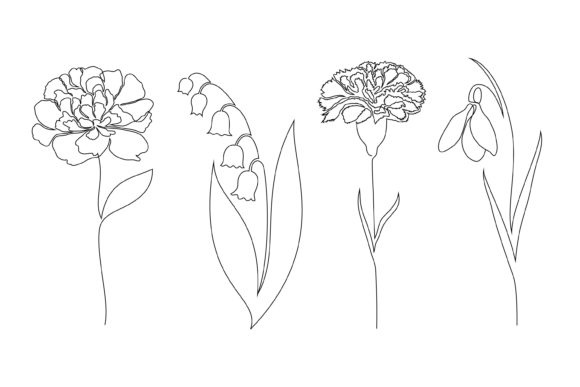
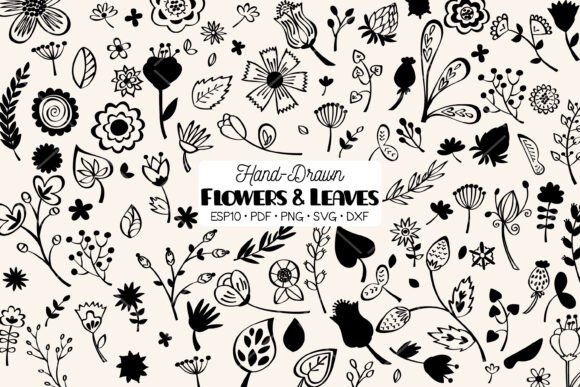
My first impression of this collection was immediate warmth. Unlike rigid vector art that often feels cold or corporate when stitched, these hand-drawn flowers leaves drawings possess a distinct personality. They feel organic, slightly imperfect, and incredibly inviting. When you look at the 61 black outline variations and the 61 black silhouette options, there is a charming whimsy that screams "botanical doodle." It creates a mood that is perfect for nursery decor, boutique branding, or those cozy holiday gifts we all love to make.
From Screen to Stitch: A Real Project Scenario
Let's talk about a practical situation. Imagine you are preparing a custom embroidered tote bag for a local craft fair. You want something that stands out from the mass-produced floral prints everyone else is selling. You decide to use the Flowers Leaves Hand Drawn Plants graphics as the centerpiece for your design.
I tested this concept by selecting a fern illustration paired with a few meadow plants. The hand-drawn nature of the lines makes them ideal for a running stitch effect, which gives the piece a soft, sketch-like appearance. When I stitched this onto a canvas tote, the visual appeal was instant. Customers didn't just see a flower; they saw a drawing brought to life. This adds a layer of perceived value that generic clipart simply cannot match. For an Etsy seller looking to differentiate their shop, this level of detail is gold.
The versatility here is also worth noting. If you switch to the black silhouette versions, the look changes entirely. Suddenly, you aren't doing a delicate botanical study; you are creating a bold statement piece suitable for a sweatshirt or a dark-colored apron. The ability to toggle between outlines and solid shapes allows you to adapt the same embroidery file to different product lines without needing to buy new designs.
Where These Graphics Shine
In my experience reviewing various machine embroidery designs, not every illustration works on every surface. However, the Flowers Leaves Hand Drawn Plants collection finds its sweet spot in several key areas:
- Apparel and Accessories: The curves of the tulips and the flowing lines of the ferns work beautifully on the chest area of a hoodie or the side pocket of a denim jacket. They soften the look of the garment without overwhelming it.
- Baby Items: There is a specific trust factor parents look for when buying for their little ones. The cute, non-threatening aesthetic of these doodles makes them perfect for baby bodysuits, bibs, and blanket borders. The gentle lines suggest safety and care.
- Home Decor: Think pillow covers, tea towels, and kitchen linens. The black-and-white availability means you can easily mock up these designs against white flour sacks or colorful linen backgrounds to see what fits your brand.
- Commercial Embroidery: For boutique owners, consistency is key. This bundle offers a cohesive theme that can be used across a whole line of products, from hats to patches, ensuring your brand looks professional and unified.
Challenges and Considerations for the Designer
While I am a fan of the artistic direction, a responsible designer must always consider the technical limitations of embroidery. Just because a graphic looks good on a screen doesn't mean it will stitch perfectly on fabric. Here are some critical factors to keep in mind when working with Flowers Leaves Hand Drawn Plants.
Hoop Size and Detail Level
If you are planning to stitch these on a cap or a small patch, you need to be careful with the fine details. The hand-drawn style relies on thin lines that can disappear if the stitch density is too high or if the hoop size is too small. Always check the stitch density before committing to a full production run. If the design includes tiny lettering or very intricate corners, you might find that the thread clumps together, blurring the intended shape.
Fabric Texture and Color
These designs are offered in black outlines and silhouettes, which gives you flexibility, but the underlying fabric matters immensely. On textured fabrics like heavy wool or bouclé, the definition of the lines may get lost. Similarly, on stretchy fabrics like jersey, the tension required to hold the shape down could cause puckering around the detailed leaf veins. For the best results, stick to stable fabrics like cotton twill, canvas, or felt.
Dense Stitch Areas
When converting these illustrations into fill stitches, watch out for dense areas where multiple leaves overlap. Too much thread in one spot can create a stiff, cardboard-like texture that customers might dislike. It is often better to let the design breathe, using satin stitches for the main stems and fill stitches only where necessary to add depth.
Practical Tips for Success
Before you start stitching up a batch of personalized gifts or commercial merchandise, follow these steps to ensure your finished product meets your standards:
- Test on Scrap Fabric: Never jump straight into your final item. Use a scrap piece of the same material to check how the threads lay and if the stabilizer holds up.
- Review Thread Contrast: Since the source files are black and white, choose your thread colors carefully. High contrast usually yields the clearest image, especially for the outline versions.
- Check File Compatibility: Ensure your embroidery software supports the file formats provided. If the stitch count or format isn't explicitly listed in the product description, contact the creator to confirm compatibility with your specific machine.
- Inspect Small Details: Zoom in on the fern fronds and tulip petals. If any lines are too thin to stitch reliably, you may need to adjust the digitization settings or simplify the design manually.
- Confirm Licensing: If you plan to sell the finished items, double-check the license terms. Some digital embroidery files are for personal use only, while others allow commercial sales of the physical goods.
Final Thoughts on Visual Appeal and Value
The true measure of a successful embroidery project is whether the customer notices the quality immediately. The Flowers Leaves Hand Drawn Plants collection excels at creating a sense of handmade authenticity. In a market saturated with robotic, perfectly symmetrical patterns, the slight irregularity of these hand-drawn elements signals craftsmanship and care.
For designers looking to elevate their craft business, this bundle offers a versatile toolkit. Whether you are creating a delicate baby outfit or a rugged apron for a coffee shop, the mood of these graphics adapts to your needs. They bridge the gap between digital art and textile art effectively, provided you respect the technical constraints of the medium.
Ultimately, the decision to use this set comes down to your specific project goals. If you value character, warmth, and a touch of whimsy in your work, these illustrations are a strong addition to your library. Just remember to test, stabilize, and plan your stitch paths wisely. With the right approach, the Flowers Leaves Hand Drawn Plants can transform simple fabric into a cherished keepsake or a profitable product line.