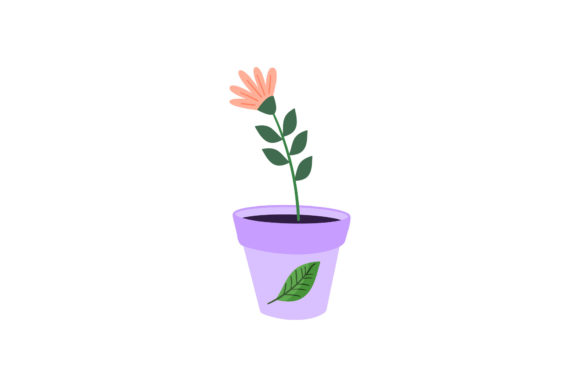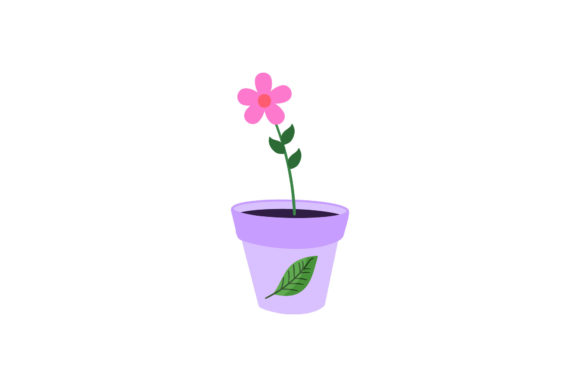
Flowers Plant Gardening: A Designer's Review for Real Embroidery
When I first opened the Flowers Plant Gardening vector file, my immediate thought wasn't about the technical specifications or the editable nature of the graphics. Instead, I was thinking about the mood it creates. There is a distinct warmth to this design that feels less like a generic clipart and more like a curated collection from a well-loved garden. As someone who has spent years evaluating embroidery files for both personal hobbies and commercial clients, I know that the difference between a project that looks professional and one that looks amateur often comes down to the initial visual personality of the design.
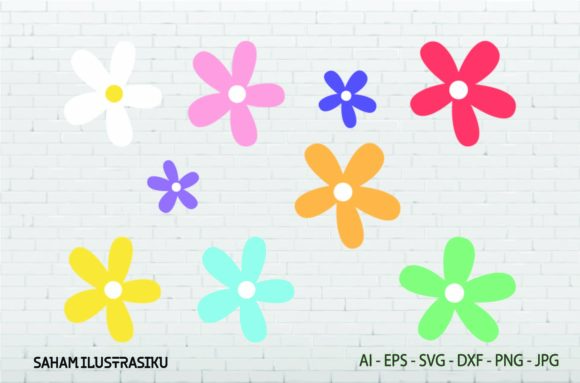
The layout of Flowers Plant Gardening strikes a balance between organic flow and structured composition. It doesn't scream for attention with chaotic elements; rather, it invites the viewer in with a sense of calm growth. For an embroidery designer, this translates to a design that should stitch beautifully without overwhelming the fabric. The shapes suggest a natural rhythm that will work exceptionally well when converted into satin stitch for outlines and fill stitch for the petals and leaves. However, before we dive into the stitching mechanics, let's talk about where this design actually shines in the real world.
Bringing Flowers Plant Gardening to Life on Fabric
I recently had a scenario where a small boutique owner needed a custom embroidered tote bag for her new line of organic soaps. She wanted something that screamed "nature" but avoided the cliché sunflower or rose tropes. When I tested Flowers Plant Gardening on a canvas tote, the result was exactly what she needed. The design didn't just sit on the surface; it felt integrated into the texture of the bag. This is the kind of versatility that makes a digital embroidery file valuable for a craft business.
The same design holds up remarkably well on other everyday items. Imagine embroidered patches featuring this motif pinned onto denim jackets, or perhaps a subtle placement on the chest of a sweatshirt. The botanical theme is timeless, making it perfect for holiday embroidery projects where customers are looking for gifts that feel thoughtful and handmade. I also envision this working beautifully on baby clothes. The soft curves of the plants would translate gently onto cotton onesies, creating a personalized gift that parents would cherish. Unlike rigid geometric patterns, Flowers Plant Gardening has a fluidity that suits the delicate nature of baby embroidery.
For those selling on platforms like Etsy, the visual appeal of this design can significantly boost product value. A high-quality tote bag design or a set of kitchen towels featuring these graphics can command a higher price point because the finished product looks polished. When a customer sees a clean, well-stitched design on a finished product, their trust in the brand increases. It signals that the maker cares about detail, which is crucial for small shop products competing in a crowded marketplace.
Navigating the Challenges of Stitching Complex Graphics
While Flowers Plant Gardening is versatile, no design is without its challenges. As an experienced reviewer, I must point out where you need to exercise caution. If you plan to use this design on a cap or hat, be mindful of the curved surfaces. While the vector is resizable, the curvature of a cap can distort fine details if the hoop size isn't managed correctly. You might find that the outer edges of the floral arrangement stretch slightly, so testing on scrap fabric first is non-negotiable.
Textured fabrics present another hurdle. If you attempt to stitch this on a heavy, nubby wool or a loosely woven linen, the stitch density might not hold true to the original graphic. The running stitch areas could get lost in the weave, making the design look muddy rather than crisp. Similarly, thin fabrics require a robust stabilizer system. Without proper backing, the tension required for the fill stitch sections of the flowers could cause puckering, ruining the drape of the garment. This is especially critical if you are producing commercial embroidery items that need to withstand frequent washing.
Dense stitch areas within the center of the plant cluster can sometimes trap too much thread, leading to a bulky finish. If you are aiming for a lightweight feel on a custom apparel item, you may need to adjust the density settings in your digitizing software. Furthermore, dark fabrics require careful consideration of thread colors. If the background is black or navy, ensure that the lighter tones in the Flowers Plant Gardening design have enough contrast to stand out. Sometimes, adding a light underlay or adjusting the color palette can make all the difference in visibility.
Practical Tips for Designers and Makers
Before you commit to a full production run, there are several steps every embroidery designer should take. First, always test the design on scrap fabric that matches your final material. This helps you gauge how the thread colors interact with the specific fabric texture you are using. Second, review the stitch density. High-density designs look great on thick cotton but can be stiff on light blends. Adjusting this can improve the hand-feel of the handmade product.
It is also wise to inspect small details closely. In a graphic illustration, tiny lines might look fine on a screen, but in embroidery, they can become tangled messes if they are too close together. Use a printable mockup to visualize the design in black and white to check for clarity. Does the shape remain recognizable when stripped of color? If the answer is yes, your design is likely robust enough for various applications.
Don't forget to confirm your licensing terms. Even though the product description mentions that the files are openable and editable, you need to verify if you have the right to sell finished items made from them. Many design assets come with restrictions on commercial use. Ensuring you have the proper permissions protects your Etsy seller account and your reputation as a professional creative entrepreneur.
Finally, consider the longevity of the design. Will it survive the wash cycle? Proper stabilization and thread quality are key here. If you are creating a pillow cover or a kitchen towel that will see heavy use, the integrity of the embroidery project depends on your technique as much as the design itself. By taking the time to evaluate Flowers Plant Gardening through these practical lenses, you ensure that your final output is not just visually appealing but durable and professional.
In conclusion, Flowers Plant Gardening is a strong candidate for a wide range of embroidery projects. Its natural aesthetic fits seamlessly into modern branding, nursery decor, and artisanal goods. Whether you are a hobbyist looking to create a unique personalized gift or a business owner expanding your catalog of apparel decorations, this design offers a solid foundation. Just remember to respect the limitations of the medium, test thoroughly, and let the quality of your execution speak for itself. With the right approach, this vector design can elevate your work from simple crafts to standout boutique products.