Flowers Rainbow Colors: A Designer's Real-World Review
When I first opened the folder for Flowers Rainbow Colors, my immediate reaction was a mix of excitement and caution. As someone who has spent years reviewing embroidery files for everything from high-end boutique branding to quick custom gifts, I know that a beautiful digital preview does not always translate perfectly to the needle and thread. This illustration graphic is undeniably vibrant, offering a spectrum of hues that promise to lift any project. But before I commit this design to a customer's order or a commercial product line, I need to look past the pretty screen image and understand how it behaves in a real hoop.
The First Impression: Mood and Visual Personality
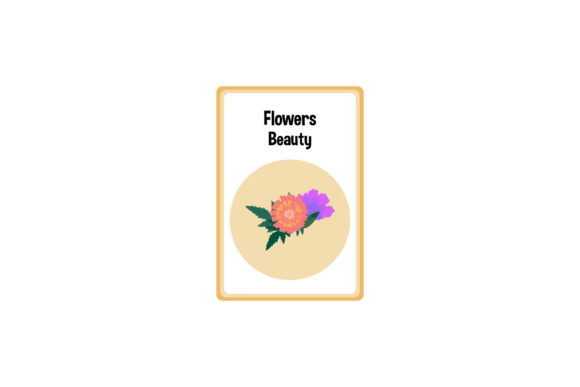
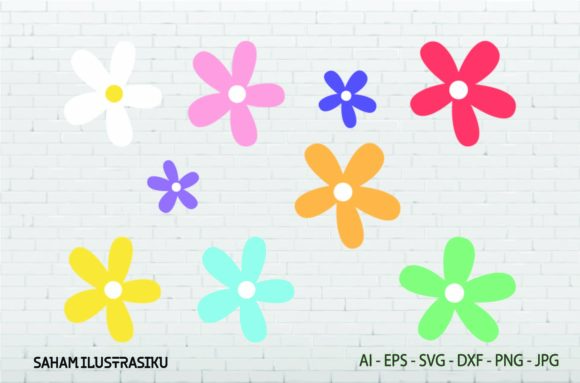
The visual personality of Flowers Rainbow Colors is undeniably cheerful and energetic. It screams "spring," "celebration," and "joy." Unlike many floral designs that rely on monochromatic palettes or muted tones, this piece embraces the full spectrum. For a crafter looking to create a standout piece for a baby shower gift or a summer-themed tote bag design, the mood is perfect. It feels like a burst of sunshine captured in vector form.
However, the sheer variety of colors presents an interesting challenge. In the world of machine embroidery, too much color variation can sometimes lead to a cluttered finish if the stitch density isn't managed correctly. The layout appears balanced, but the transition between different flower types and the rainbow gradient requires careful planning. When I visualize this as a finished product, I imagine it sitting beautifully on a crisp white canvas size 3000 px x 2000 px mockup, but I wonder how those bright threads will hold up against a textured fabric or a dark background. It feels most at home in projects where the goal is to evoke happiness and energy, such as holiday embroidery or personalized gifts for children.
Real-World Application: From Screen to Stitch
Let's talk about putting this design to work. Imagine you are an Etsy seller preparing a batch of custom apparel for a local craft fair. You decide to use Flowers Rainbow Colors on a set of organic cotton aprons for a kitchen workshop series. The design would pop against the natural linen texture, creating a professional yet welcoming vibe. The versatility of the available formats—AI, EPS, SVG, DXF, JPG, and PNG—makes it incredibly easy to integrate into your workflow, whether you are scaling it down for a small embroidered patch or keeping it large for a sweatshirt embroidery centerpiece.
I also see this working exceptionally well for nursery decor. A pillow cover featuring these flowers could become a cherished item for a new parent. The rainbow theme aligns perfectly with modern, playful interior trends. However, when considering a cap or hat, the curved surface changes the game entirely. The flowers might stretch slightly differently depending on the curvature of the brim. For a boutique product like a tea towel, the design offers a nice decorative accent that adds value without overwhelming the utility of the item.
For digital product sellers, this graphic serves as a fantastic asset. Creating printable mockups with Flowers Rainbow Colors allows you to showcase potential clients exactly what their branded merchandise could look like. Whether you are designing for a small shop product line or creating a commercial embroidery file for a larger manufacturer, the clean lines of the original illustration provide a solid foundation. It is a versatile tool that bridges the gap between digital graphics and tangible handmade products.
Where to Proceed with Caution
While the design is vibrant, there are specific scenarios where Flowers Rainbow Colors requires a cautious approach. If you are working with a very small hoop size, the intricate details of the flower petals might get lost. Tiny lettering or fine decorative accents within the illustration could become muddy if the stitch count is too low. Furthermore, on thin or stretchy fabrics, the density of the fill stitches required to render the rainbow colors could cause puckering. This is a common pitfall in custom apparel; if the stabilizer choice is incorrect, the fabric may warp around the dense areas of the design.
Dark fabrics present another hurdle. While the rainbow colors are bright, they may not have enough opacity to stand out vividly against black or navy blue unless you use a heavy underlay or a specific thread type. Layered garments, such as thick hoodies, can also hide the detail of the design. If you are aiming for a sleek, professional look, ensure that the fabric texture complements the smoothness of the satin stitch used in the petals. Additionally, for products that need frequent washing, like kitchen towels or baby clothes, the durability of the stitching becomes paramount. Dense stitch areas can trap moisture or lint over time if not executed with precision.
Impact on Brand and Customer Perception
The visual appeal of a finished embroidery project speaks volumes about the quality of the work. A well-executed Flowers Rainbow Colors design signals attention to detail and creativity. Customers associate vibrant, clear stitching with trust and professionalism. If the colors blend smoothly and the edges are sharp, it elevates the perceived value of the item, making it feel less like a mass-produced good and more like a unique, handcrafted treasure. This is crucial for Etsy sellers and creative entrepreneurs who rely on word-of-mouth and repeat business.
Conversely, if the design looks messy or the colors bleed into one another, it can undermine the brand consistency of a small business. Buyers are often willing to pay a premium for items that look polished. The recognition of a distinct floral motif helps in building a recognizable style, especially if you plan to use this design across multiple products, from tote bags to holiday gifts. It creates a cohesive narrative for your shop.
Practical Notes for the Embroidery Designer
Before you hit the start button on your machine, there are several steps I recommend taking to ensure success. First, always test the design on scrap fabric that matches the weight and texture of your final project. This simple step can save you hours of frustration. Check the thread color contrast carefully; sometimes a color that looks perfect on screen appears dull in thread form. Review the stitch density settings in your digitizing software to prevent the fabric from becoming too stiff or distorted.
Confirm your hoop size relative to the design dimensions. If the design is large, you may need to split it or adjust the placement. Inspect small details closely, especially if you plan to reduce the scale for smaller items like patches or baby embroidery. Testing the design in black and white mockups can help you assess the contrast and shape integrity independent of color. Compare how it looks on both light and dark fabric backgrounds to determine if you need to add a backing or change the thread palette.
Use proper stabilizer—a cut-away is usually best for stability, while tear-away works for lighter projects. Finally, verify whether the license allows for both personal and commercial use. If you intend to sell finished items or distribute the digital embroidery file itself, understanding the terms is non-negotiable. By following these practical guidelines, you can transform the digital potential of Flowers Rainbow Colors into a stunning, market-ready finished product that delights your customers and strengthens your craft business.