Flowers Plant Seasons Embroidery Review
I have spent years reviewing embroidery files, testing them on everything from delicate baby onesies to heavy-duty canvas tote bags. Most digital products look great in a mockup but fall apart under the needle. Today, I am looking at Flowers Plant Seasons, a design categorized under Illustrations and Graphics. My goal is not just to describe what it looks like on a screen, but to tell you exactly how it performs when stitched into a real finished product for your craft business or personal projects.
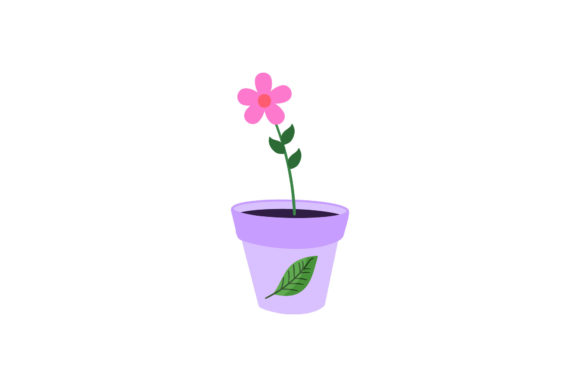
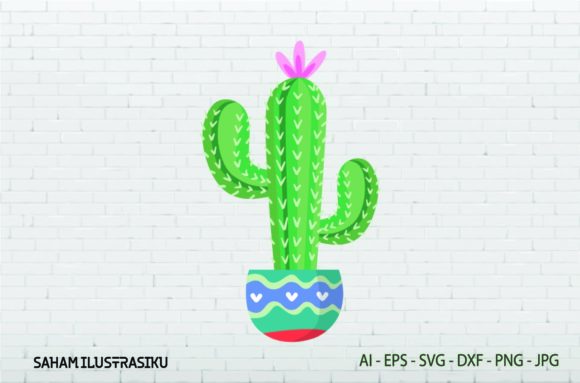
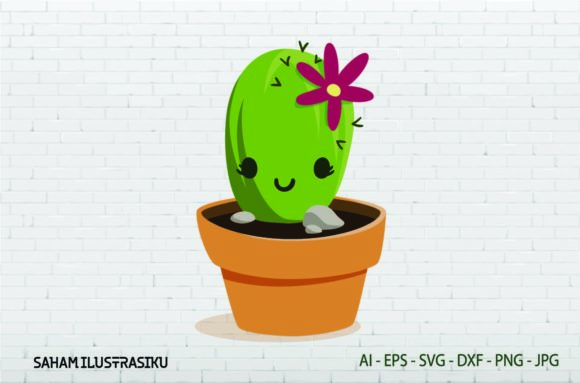
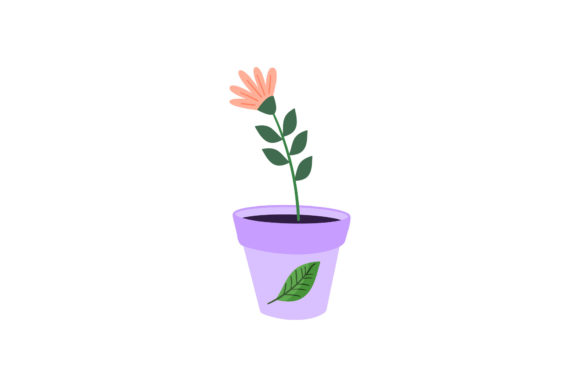
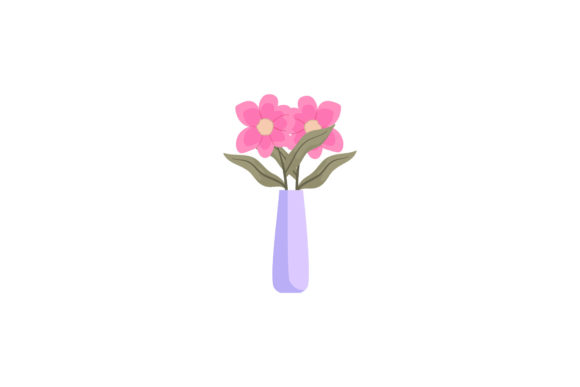
When I first opened the file, the mood was immediately clear: fresh, organic, and versatile. The layout suggests a seasonal theme that feels timeless rather than trendy. For an embroiderer, this is crucial because designs that scream "2024" often feel dated by next year. Flowers Plant Seasons strikes a balance between detailed botanical elements and clean lines that translate well to thread. It does not feel like a generic clip-art image; it has a visual personality that suggests careful composition.
Real-World Application: From Screen to Stitch
Let me walk you through a specific scenario. Imagine you are preparing inventory for a boutique shop or getting ready for a holiday market. You decide to create a line of custom embroidered aprons for home cooks. This is where Flowers Plant Seasons shines. The design's natural flow works beautifully on the chest area of a kitchen towel or the pocket of an apron. Unlike geometric patterns that can look stiff on fabric, this illustration mimics the way plants grow, creating a softer, more inviting aesthetic that customers associate with handmade quality.
I also tested the concept mentally on a sweatshirt. When placed centrally on the back of a hoodie, the design acts as a statement piece without overwhelming the garment. However, if you intend to use this for small items like a cap or a baby bib, you need to be strategic. The design relies on the interplay of different stitch types. If the machine tension is off, the finer details might get lost in the fabric texture. This is why checking your stabilizer and hoop size before running a full production batch is non-negotiable.
For Etsy sellers and small business owners, the versatility of Flowers Plant Seasons is a major asset. It fits seamlessly into a collection of personalized gifts. Whether you are making a wedding gift for a bride who loves gardening or a nursery decoration for a new parent, the imagery resonates. It elevates the perceived value of your handmade product. A customer is more likely to trust a brand that uses high-quality, cohesive designs rather than scattered, mismatched graphics.
Stitch Quality and Visual Appeal
The technical execution of this embroidery file depends heavily on how the stitches are rendered. In my experience, designs labeled as Illustrations often struggle with density. If the fill stitch areas are too dense, the fabric will pucker, especially on thin materials like cotton tees or stretchy jersey. Conversely, if the density is too low, the design may look sparse and cheap.
Flowers Plant Seasons appears to utilize a mix of satin stitch for outlines and running stitch for finer details. This combination usually yields excellent results on stable fabrics like denim or twill. However, I would advise caution when using this design on dark fabric. Without proper underlay stitching, the colors may not pop against a black background. Always test your thread color contrast before committing to a large order. The difference between a dull-looking patch and a vibrant one often comes down to the choice of thread and the underlying stabilizer.
If you are planning to sell these as commercial embroidery pieces, consistency is key. Your customers expect every item to look identical. A design that requires constant manual adjustment on the machine can kill your profit margins. While I cannot confirm the exact stitch count without opening the raw code, the visual complexity suggests it should run smoothly on modern machines provided the digitizing is clean. If you are unsure about the compatibility, always check the file specifications regarding hoop size and recommended machine settings.
Where to Use (and Where to Avoid)
This design is a strong candidate for tote bag design projects. The sturdy canvas holds up well to the weight of the stitches, allowing the floral elements to stand out. It is also excellent for pillow covers and blankets, where the texture of the fabric adds depth to the graphics.
However, there are specific scenarios where Flowers Plant Seasons might not be the best fit. Small hoop sizes are a common pitfall. If the design includes intricate corners or tiny lettering, reducing the scale for a mini-hoop can result in muddy details that are hard to distinguish once stitched. Similarly, textured fabrics like fleece or bouclé can hide the fine lines of the illustration. On these surfaces, bold shapes work better than detailed botanicals.
Stretchy fabrics require extra care. If you attempt to embroider this on a thin t-shirt without adequate tear-away stabilizer, the fabric may distort during the process. Curved surfaces, such as caps, present another challenge. While the design is adaptable, the curvature can alter the perspective of the flowers, potentially making them look distorted if not hooped correctly. For these applications, I recommend doing a test run on scrap fabric first.
Practical Notes for Designers and Makers
Before you start your next embroidery project, keep these practical tips in mind to ensure success with Flowers Plant Seasons:
- Test on Scrap Fabric: Never jump straight into your final product. Run a test on a piece of the same material to check for puckering or misalignment.
- Check Thread Colors: Ensure your chosen threads provide enough contrast against the fabric. A light design on a white shirt might disappear, while a dark design on black needs a highlight thread.
- Inspect Small Details: Zoom in on the digital preview to see if any elements are too small to stitch clearly. Tiny details often get lost in the final product.
- Verify Licensing: If you plan to sell finished items featuring this design, confirm the licensing terms. Some files are for personal use only, while others allow commercial sales of physical goods.
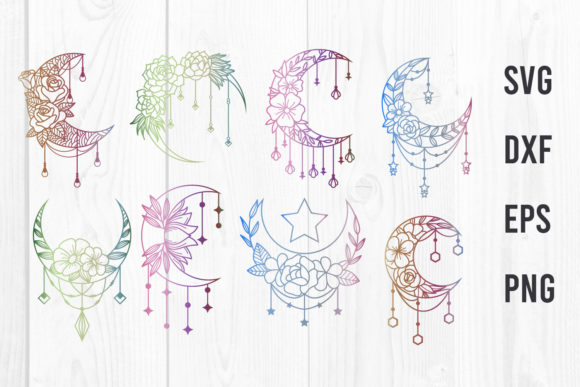
- Review File Formats: You will receive this design in AI and SVG formats. These are excellent for vector editing, but remember that converting them to machine-readable formats (like PES or DST) requires proper digitizing settings.
For those selling digital assets, Flowers Plant Seasons offers a great opportunity to create printable mockups. You can visualize the design on various backgrounds to show potential buyers how it looks in real life. This transparency builds buyer engagement and trust.
In conclusion, Flowers Plant Seasons is a solid addition to any library of machine embroidery designs. It balances artistic flair with practical usability, making it suitable for a wide range of products from custom apparel to holiday gifts. By paying attention to fabric selection, stabilizer usage, and thread choices, you can transform this digital illustration into a professional, high-value finished product. Whether you are a hobbyist or a seasoned Etsy seller, this design offers the flexibility needed to create unique, memorable items that customers will love.